

Call us now
08071930778
Pot PTFE Bearings
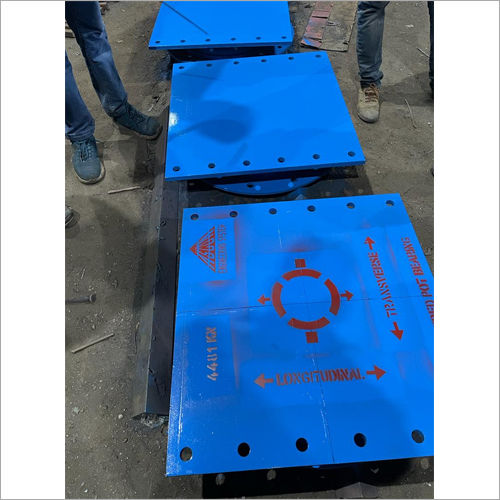

Pot PTFE Bearings Specification
- Features
- High Load-bearing Capacity, Durable, Accommodates Rotations, Low Friction Sliding
- Prop Head
- Heavy Duty Type
- Pin
- Center Stainless Steel Pin
- Technique
- Precision Machining, Welding
- Color
- Silver, Grey (Standard); Customizable on request
- Weight
- 30 kg 950 kg (depends on bearing size and capacity)
- Sleeve size
- As per bearing design and load (customizable)
- Constitute
- Steel Pot, PTFE Disc, Elastomeric Pad, Seal Rings
- Product Type
- Pot PTFE Bearing
- Material
- Steel
- Components
- Pot, PTFE Sliding Plate, Elastomeric Pad, Sealing Ring
- Diameter
- 150 mm 1200 mm (customizable)
- Width
- 200 mm 1200 mm (as per design)
- Length
- 200 mm 1200 mm (as per design)
- Height
- 70 mm 300 mm (depending on load capacity)
- Thickness
- 70 mm 220 mm (varies per design and load demands)
- Platform Loading Capacity
- Up to 5000 kN (customized for project needs)
- Surface Treatment
- Hot Dip Galvanized or Painted
- Application
- Highway Bridges, Railway Bridges, Elevated Structures, Seismic Isolation
- Size
- Custom Sizes as per project requirements
- Shear Resistance
- Designed as per project specifications
- Installation
- Supplied Ready-To-Install
- Packaging
- Standard Export Worthy Wooden Box
- Horizontal Movement
- Up to 100 mm
- Service Temperature Range
- -40C to +70C
- Additional Product Specifications
- Maintenance
- Minimal; self-lubricating PTFE
- Quality Assurance
- 100% Load Tested before dispatch
- Conforming Standards
- IRC:83 (Part III), BS EN 1337:5, AASHTO
- Rotation Capacity
- Up to 0.02 radians
Pot PTFE Bearings Trade Information
- Minimum Order Quantity
- 1 Piece
- Payment Terms
- Cash in Advance (CID)
- Supply Ability
- 1000 Pieces Per Month
- Delivery Time
- 1 Days
- Main Domestic Market
- All India
About Pot PTFE Bearings
These Pot PTFE Bearings, also known as pot bearings or PTFE pot bearings, are used in bridge construction and other civil engineering applications. These bearings consist of a steel pot and a disc or ring made of PTFE (polytetrafluoroethylene) placed within the pot. These bearings provide flexibility, accommodate horizontal & vertical movements, distribute loads, and reduce the transfer of forces to the bridge substructure.
High Load-Bearing Efficiency
Engineered to support heavy vertical and horizontal loads, Pot PTFE bearings offer capacities customized up to 5000 kN. Their robust steel construction, paired with precision machined components and self-lubricating PTFE discs, ensures reliable, low-friction rotation and movement, essential for modern bridge and elevated structure design.
Durability and Maintenance-Free Operation
The self-lubricating PTFE plate ensures minimal maintenance, while the hot dip galvanized or painted surfaces protect against corrosion and harsh weather. All bearings are designed for durability, maintaining performance over a wide temperature range, and are fully load tested before dispatch to ensure long-term reliability.
Customizable Solutions for Diverse Applications
Pot PTFE bearings are manufactured in a wide range of diameters, widths, and lengths to meet specific project requirements, making them ideal for highway bridges, railway bridges, elevated structures, and seismic isolation applications. Custom surface finishes and colors are available on request for aesthetic or environmental compatibility.
FAQs of Pot PTFE Bearings:
Q: How do Pot PTFE bearings accommodate both vertical loads and horizontal movements?
A: Pot PTFE bearings are designed with a steel pot, PTFE sliding plate, and elastomeric pad, allowing them to support high vertical loads while facilitating horizontal movement up to 100 mm and rotational capacity of 0.02 radians. This is achieved through precision machining and the integration of heavy-duty components which ensure stability and flexibility for bridge structures.Q: What standards do Pot PTFE bearings conform to, and why is this important?
A: These bearings conform to IRC: 83 (Part III), BS EN 1337: 5, and AASHTO standards. Adhering to these ensures safety, quality, and performance consistency in critical infrastructure applications such as bridges and elevated roadways, meeting both national and international engineering requirements.Q: When are Pot PTFE bearings typically used in construction projects?
A: Pot PTFE bearings are primarily used during the installation phase of highway bridges, railway crossings, elevated structures, and projects requiring seismic isolation. Their ready-to-install packaging and minimal maintenance make them suitable for both new constructions and upgrades in existing infrastructure.Q: Where can Pot PTFE bearings be installed, and are they suitable for extreme environments?
A: These bearings are suitable for installation in diverse settings including highway and railway bridges, elevated structures, and seismic isolation platforms. Their wide service temperature range (-40C to +70C) and corrosion-resistant surface treatment make them effective in extreme and harsh environmental conditions.Q: What is the installation process for Pot PTFE bearings supplied by your company?
A: Each bearing is delivered in a standard export-worthy wooden box, fully assembled and ready-to-install. The straightforward installation process involves positioning the bearing per design specifications, requiring minimal preparation on-site due to its pre-tested and pre-assembled state.Q: How do Pot PTFE bearings minimize maintenance requirements?
A: The use of self-lubricating PTFE discs and corrosion-resistant finishes significantly reduces maintenance needs, providing long-term performance without regular servicing. This is particularly advantageous in inaccessible or high-traffic bridge locations.Q: What benefits do Pot PTFE bearings offer for long-term infrastructure projects?
A: These bearings ensure high load capacity, durability, flexibility for movement and rotation, low maintenance, and full compliance with international standards. Their customizable features and robust quality assurance (including 100%% load testing) contribute to enhanced safety, longevity, and reduced lifecycle costs for major infrastructure developments.- Minimum Order Quantity
- 1 Piece
- Supply Ability
- 1000 Pieces Per Month
- Delivery Time
- 1 Days
- Main Domestic Market
- All India
 Get Latest Price
Tell us about your requirement

Price:
Quantity
Select Unit
- 50
- 100
- 200
- 250
- 500
- 1000+
Additional detail
Mobile number
Email

More Products in Rebar Coupler Category
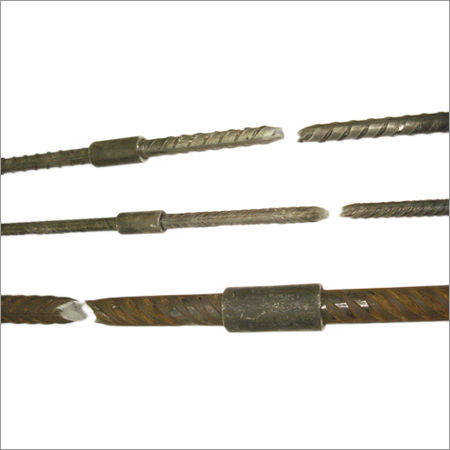
Bar Lock Rebar Coupler
Minimum Order Quantity : 1 Piece
Thickness : Robust Wall Thickness for High Strength
Material : Other , High Strength Steel
Components : Other, Coupler Body, Lock Bolts, End Caps
Constitute : other, Carbon Steel/Alloy Steel Body
Length : Standard and Custom Lengths
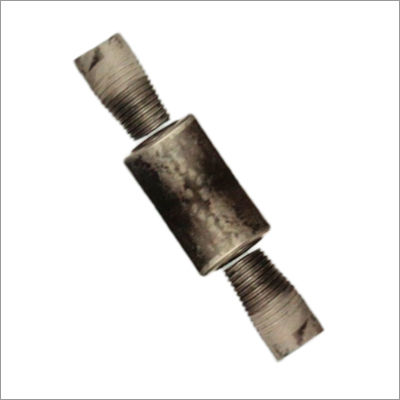
High Quality Rebar Coupler
Minimum Order Quantity : 1000 Pieces
Thickness : 3mm 4mm
Material : Steel
Components : Couplers
Constitute : other, Cylindrical Sleeve
Length : 50mm 160mm
Threaded Rebar Coupler
Minimum Order Quantity : 1 Piece
Thickness : 58 mm (depending on size)
Material : Other , Carbon Steel / Alloy Steel
Components : Other, Threaded Coupler, Locking Nut
Constitute : other, Steel Body, Internal Threads
Length : 40160 mm (according to model)
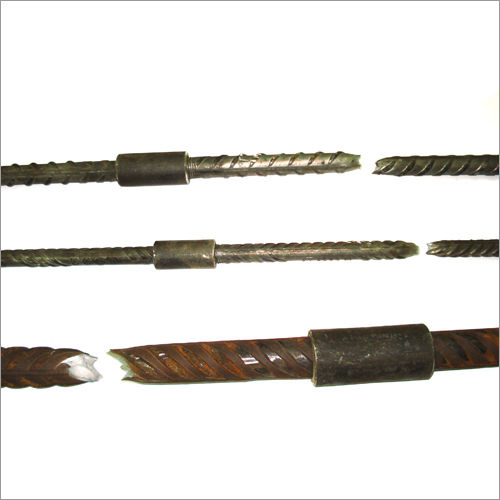
Bar Break Rebar Coupler
Minimum Order Quantity : 1 Piece
Thickness : Heavy wall thickness as per IS code
Material : Other , Carbon steel / Alloy steel
Components : Other, Bar Break Rebar Coupler
Constitute : other, Steel (Forged/Cast)
Length : Standard length 120 mm 250 mm

We deal only in bulk orders.
GST : 09ADZPC7136P1ZM
B-83, Sector - 02, Noida - 201301, Uttar Pradesh, India
Phone :08071930778
 Send Inquiry
Mr. Nisha Kumari (Sales Manager)
Mobile No - 918071858861, 09811064891
Mobile No - 918071858861, 09811064891
 Send Inquiry
 Send SMS
ASCON ENGINEERING SYSTEM
All Rights Reserved.(Terms of Use)
Developed and Managed by Infocom Network Private Limited.
Developed and Managed by Infocom Network Private Limited.

